
MJHS
Navigation
Journal Navigation
Article Navigation
opened article
Volume 13, Issue 1
March 2026
Cover Image

Article contents

opened journal
Volume 13, Issue 1
March 2026
Cover Image

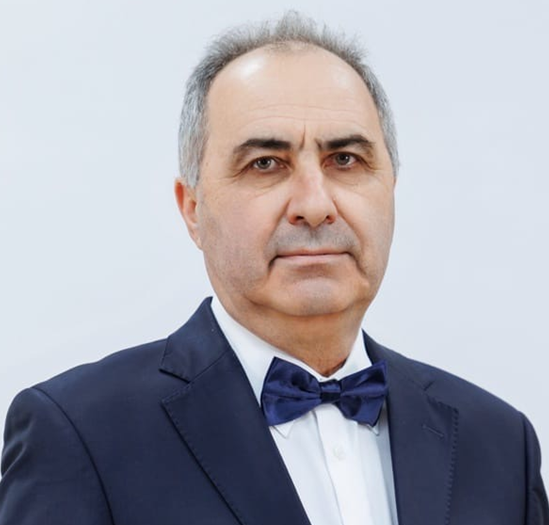
In the cold days of January, when the Soroca Fortress seems to have stood guard for centuries at the country’s border, we celebrate a Man of rare spiritual nobility who, for a lifetime, has watched over the health of the heart of his fellow men – Valeriu Revenco, University Professor, Habilitated Doctor of Medical Sciences. Born on January 16, 1956, in the city of Soroca, Professor Revenco is, for many generations of doctors and patients in the Republic of Moldova, a professional and human beacon, an important name in local medicine, and truly the right person in the right place. 

His roots, deeply planted in the fertile northern soil within a family of diligent householders from Cureșnița, shaped his love for work, discipline, and modesty from an early age, moral values that define him. After graduating from high school in his hometown, he chose to study at the State Institute of Medicine in Chișinău (today USMF Nicolae Testemitanu), from which he graduated with honors in 1979. Subsequently, he consolidated his professional training in cardiology at the All-Union Scientific Center in Moscow. Professor Valeriu Revenco’s academic path is marked by notable successes: the defense of his doctoral thesis in medical sciences (1984) and obtaining the title of Habilitated Doctor in Medicine (1992), steps that confirmed his vocation as a researcher and outlined the beginning of a fruitful stage in training new generations of doctors. 

In 1984, he began his teaching career at USMF Nicolae Testemițanu following a continuously ascending academic itinerary: from university assistant (1984–1992) to university professor (since 1993) and Head of the Cardiology Department (from 1998 to the present). Parallel to his teaching activity, he also held administrative positions: Vice-Rector for Clinical Activity and Residency, Dean of the Faculty of Residency and Clinical Fellowship, and served as a member of the University’s governing bodies. The respect and trust he enjoys in the academic community are due to his exemplary responsibility, organizational skills, and tireless commitment to improving the professional training of new generations of doctors. 

Valeriu Revenco has coordinated and participated in numerous national and international scientific projects, serving as a mentor for young researchers. His contribution to the field of cardiology, as a professor and coordinator of scientific projects, is confirmed by multiple publications, numbering over three hundred: articles in national and international journals, monographs, textbooks, guidelines, and methodological recommendations. 

Colleagues, residents, and trainees admire and appreciate his professional competence and that “innate gift” of seeing the potential in people, guiding his disciples with great care toward professional fulfillment. Through his honest and demanding, yet benevolent approach, Professor Valeriu Revenco remains a benchmark for young specialists – a model of scientific rigor, professionalism, and devotion to patients. Numerous generations of specialists have perfected their professional training under his guidance, becoming scientists and professionals of real value to the country. 

Beyond the lecture hall and the medical office, Professor Valeriu Revenco is known as a man who cherishes beauty – literature, history, art – passions that have always accompanied him and shaped his reflective discourse. He is an admirer of Eminescu’s work and of great cultural values, and in his vision, medicine transcends the boundaries of a simple profession, becoming a noble vocation rooted in the love for people. 

Beyond his academic track record and the prestige of the positions held, Professor Valeriu Revenco is, in essence, a Man of rare simplicity and decency: a son of peasants who, through assiduous work, became a university professor; he is a devoted husband, a loving father, and a caring grandfather who finds peace and joy in his grandchildren’s smiles. Modesty, humanity, and generosity are the virtues he has kept intact, regardless of the high responsibilities he has assumed throughout his life. 

On his 70th anniversary, the messages addressed to him are full of gratitude: former disciples thank him for the “school of life”, while colleagues consider the chance to work together a privilege. The multiple appreciations confirm that Professor Valeriu Revenco remains a standard of professionalism, intelligence, nobility, honor, humanity, modesty, and generosity. 

At this anniversary milestone, we wish Professor Valeriu Revenco health and many years with a strong heart and the same passion for the people he helps and trains. May he delight us with beautiful new achievements in the coming years, continue to research, write, instruct, and guide new generations, but above all, may he continue to save hearts and soothe suffering. 

Happy Birthday, Esteemed Professor! Vivat, Crescat, Floreat! 


With great respect and appreciation, 

L. Grib, PhD, University Professor, 

Head of the Internal Medicine Department.

Nicolae Testemițanu State University of Medicine and Pharmacy

More articles

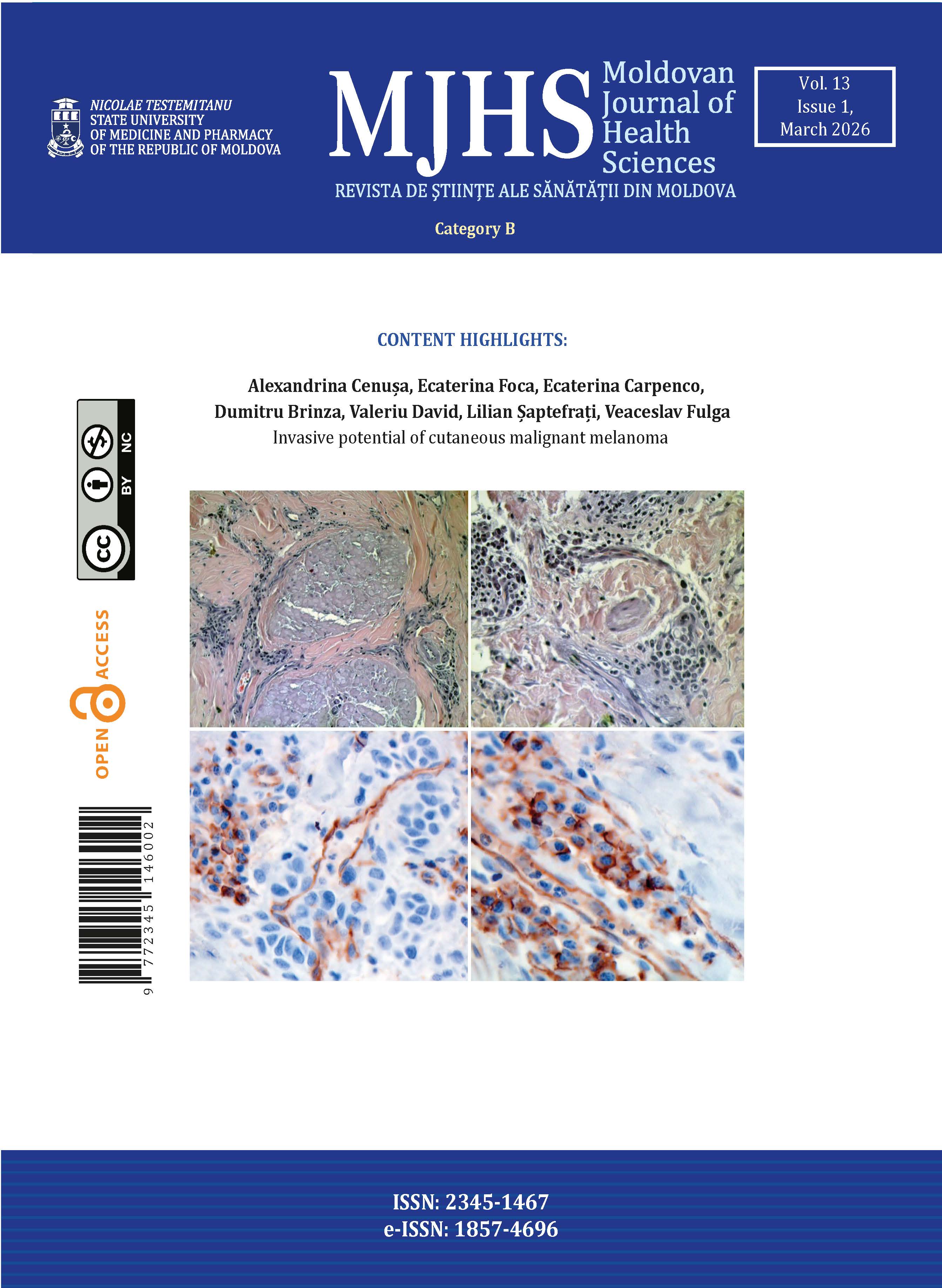
Research Invasive potential of cutaneous malignant melanoma
Alexandrina Cenușa1, Ecaterina Foca1, Ecaterina Carpenco1, Dumitru Brinza2, Valeriu David1,3, Lilian Șaptefrați1,3, Veaceslav Fulga1*
https://doi.org/10.52645/MJHS.2026.1.02
Cutaneous malignant melanoma is the most aggressive skin cancer, with a high mortality rate despite advances in therapy. This study aimed to evaluate the relationship between lymphovascular and perineural invasion and key clinicopathological parameters in superficial spreading melanoma, in order to assess their potential prognostic significance.
Research Contemporary insights into diagnosis and treatment of gastrointestinal non-Hodgkin lymphomas
Larisa Musteata1, Maria Robu2, Vasile Musteata1,2*, Dumitrita Urescu1,2, Irina Cebanu1,2, Alina Capanji1
https://doi.org/10.52645/MJHS.2026.1.03
The gastrointestinal tract (GIT) is the most common site of extranodal primary non-Hodgkin lymphoma (NHL), accounting for 20% to 40% of all extranodal lymphomas. The advanced stages at diagnosis and complications remain significant issues in NHL management, imposing a substantial disease burden on patients and healthcare systems.
Research From prolonged premature rupture of membranes to bronchopulmonary dysplasia: the role of chorioamnionitis in the respiratory outcomes of preterm infants
Liuba Dascaliuc1*, Larisa Crivceanscaia1, Ludmila Oclanschi1, Ninel Revenco1, Angela Cracea1, Zinaida Sârbu2
https://doi.org/10.52645/MJHS.2026.1.04
Prolonged premature rupture of membranes predisposes to intrauterine infection and chorioamnionitis, both of which have significant implications for neonatal outcomes. While chorioamnionitis has been linked to accelerated surfactant production and reduced respiratory distress syndrome, it is also associated with long-term pulmonary injury, including bronchopulmonary dysplasia and pulmonary hypertension. The objective of the study is to investigate the association between prolonged premature rupture of membranes, chorioamnionitis, and respiratory outcomes among preterm infants ≤34 weeks of gestation.
Research Exploring the clinical spectrum of DiGeorge syndrome
Cristina Tomacinschii1,2*, Victoria Sacara2, Alexandr Dorif2, Marodi Laszlo3,4, Svetlana Sciuca1
https://doi.org/10.52645/MJHS.2026.1.05
DiGeorge syndrome, known also as 22q11.2 deletion syndrome, is a rare multisystemic disorder characterized by a wide range of clinical features and may include thymic aplasia and subsequent immunodeficiency, conotruncal cardiac anomalies, typical facial features, palatal abnormalities, and hypocalcemia due to hypoparathyroidism.
Research Development and testing of a questionnaire: assessment of occupational risk factors in surgeons
Ana Vîlcova1,2, Alexandru Ferdohleb2, Larisa Spinei3, Angela Paraschiv4, Raisa Deleu1, Elena Ciobanu1
https://doi.org/10.52645/MJHS.2026.1.07
Surgery exposes professionals to significant physical and psychological risks, including intense exertion, prolonged static postures, and repetitive gestures, often leading to musculoskeletal pain. International studies report prevalence rates above 90%, linked to long procedures and poor ergonomics, alongside exposure to biological and chemical hazards, radiation, toxic smoke, and chronic stress. In the Republic of Moldova, occupational health in the medical sector is underexplored, with no tools tailored to surgeons. This study aims to develop and validate the first nationally standardized questionnaire to assess these risks and support public health policies.
Research Evolution of maxillary expansion in patients with cleft lip and palate
Silvia Railean1, Cristina Poștaru1*, Svetlana Melnic2, Gheorghe Bordeniuc3
https://doi.org/10.52645/MJHS.2026.1.08
The craniofacial orthodontist who is part of the multidisciplinary team evaluating children with cleft lip and palate plays an important role in examining the development of dental occlusion. Early surgical interventions in children with cleft lip and palate frequently cause occlusion disorders with a prevalence of anterior crossbite in 62%. The expansion of the maxilla is important for normalizing the morphology and correct symmetrical tooth eruption. The aim is to evaluate the evolution of maxillary expansion in patients with cleft lip and palate.
Research The role of odontogenic infection in the onset and evolution of focal disease
Sergiu Ciobanu*, Diana Marcu, Ion Roman, Olesea Musteață
https://doi.org/10.52645/MJHS.2026.1.09
The focal disease is a pathological condition characterized by a wide variety of functional disorders and organic tissue alterations, due to chronic foci of infection, from which various microbes, microbial toxins, and toxic products of septic tissue disintegration originate. According to the percentage distribution, 90% of the foci of the body are located in the cephalic region, and 10% in the rest of the body [17]. Research has shown that on the list of foci of infection, those in the oral cavity are in first place, with 93% of active foci being caused by teeth and their pathologies. Important clinical criteria that mark this fundamental difference of the odonto-periodontal focal infection include the profile of local inflammation, the level of the tissue hypersensitivity process, the level of the microbial load in the focus and, no less importantly, the reactivity of the body.
Research Developing and validating a questionnaire on knowledge and attitudes in health research ethics
Adriana Paladi1, Valentin Mîța2, Lilian Șaptefrați3
https://doi.org/10.52645/MJHS.2026.1.10
Research ethics and integrity are fundamental for safeguarding human participants and ensuring trustworthy scientific practices. Understanding researchers’ knowledge, attitudes, and perceptions regarding ethical standards is important for all health researchers, but particularly relevant for early-career researchers. While several international instruments exist to evaluate specific aspects of research ethics, such as plagiarism, organizational climate, or responsible conduct of research, a multidimensional and contextually relevant tool is required.
Research The iCREATE registry: a model for strengthening injury surveillance in the Republic of Moldova
Angela Cazacu-Stratu1*, Svetlana Cociu1, Patricia Maria Marga2, Dumitru Cartaleanu1, Diana Dulf2, Serghei Cebanu1
https://doi.org/10.52645/MJHS.2026.1.11
Injuries represent a major public health issue, causing approximately 16,000 deaths globally each day (10% of all deaths), which is 32% more than the combined total caused by malaria, tuberculosis, and HIV/AIDS. Over the past 15 years, the WHO and regional initiatives have supported the piloting of trauma registries in low- and middle-income countries as essential tools for monitoring, planning, and prevention.
Research Emergency care for trauma patients in the red zone: clinical experience from 2024
Tatiana Malacinschi-Codreanu*, Larisa Rezneac, Raed Habach, Eugenia Ciubotaru, Natalia Mocanu
https://doi.org/10.52645/MJHS.2026.1.06
The traumatized patient with signs of shock remains a major cause of morbidity and mortality, requiring rapid diagnosis and multidisciplinary management. This study evaluates clinical, paraclinical, and therapeutic aspects of trauma patients admitted with shock signs in the red zone of the Emergency Department of the Institute of Emergency Medicine during 2024.
Review Micronutrient needs and supplementation strategies during pregnancy
Maria Cemortan*, Irina Sagaidac, Olga Cernetchi
https://doi.org/10.52645/MJHS.2026.1.12
Micronutrient deficiencies during pregnancy remain a major global public health concern, with implications for maternal health, fetal development, and long-term child outcomes. International organizations such as the WHO and FIGO have issued evidence-based guidelines on micronutrient supplementation, which are increasingly being adapted into national protocols.
Review Thromboprophylaxis in pregnancy, delivery and puerperium: a review of literature and current guidelines
Corina Cardaniuc*, Irina Sagaidac
https://doi.org/10.52645/MJHS.2026.1.13
Venous thromboembolism is one of the leading causes of maternal morbidity and mortality. Pregnancy induces a hypercoagulable state as an adaptive mechanism to prevent hemorrhage during childbirth. These physiological changes significantly increase the risk of venous thromboembolism – by up to six-fold during pregnancy and up to 10-fold during the postpartum period compared to the non-pregnant population. Given these risks, proper identification of patients who may benefit from thromboprophylaxis is essential to improve maternal outcomes.
Review Pregnancy-related inflammatory markers and their association with perinatal mental illness: a systematic review
Larisa Boronin*, Jana Chihai, Igor Nastas
https://doi.org/10.52645/MJHS.2026.1.14
This study investigates the relationship between immune dysregulation and perinatal mental disorders by analyzing clinical data and biomarker profiles in pregnant individuals with varying severity of psychiatric symptoms. Understanding these associations may support the development of early screening tools and targeted interventions to improve maternal and infant mental health outcomes.
Review Advances in disease-modifying therapies for multiple sclerosis: global updates and a regional comparison between the Republic of Moldova and Romania
Anna Belenciuc1,2*, Olesea Odainic2, Marina Sangheli1, Elena Manole1, Carmen Adella Sîrbu3,4,5, Vitalie Lisnic1
https://doi.org/10.52645/MJHS.2026.1.15
The therapeutic landscape of multiple sclerosis has undergone a remarkable transformation over the past two decades. The paradigm has shifted from reliance on moderate-efficacy, first-generation injectable therapies toward earlier adoption of high-efficacy disease-modifying treatments, particularly in relapsing forms of MS. This evolution reflects an increasing focus on early intensive treatment strategies aimed at preserving long-term neurological function and brain health.
Review Correlation between pathogenetic factors and vascular endothelial damage in patients with rheumatoid arthritis
Eugeniu Russu1,2, Liliana Groppa1, Lia Chișlari1, Svetlana Agachi1, Marius Semionov1, Chiril Nartea1, Iosif Leanca1, Artemie Pastuhov1
https://doi.org/10.52645/MJHS.2026.1.16
Systemic rheumatoid vasculitis accounts for 1 to 5% of complications seen in rheumatoid arthritis, while autopsy studies report an average of 23% incidence. This enormous difference in numbers emphasizes the rate of misdiagnosis or underdiagnosis of systemic rheumatoid vasculitis. It mainly affects people with a median age of 65 years. It is particularly noteworthy, as systemic rheumatoid vasculitis has a high mortality and relapse rate. Also, the multifactorial aetiology: cytokines/immune cells and other particles determines clinical complexity of this type of angiitis
Case study Surgical treatment of dysphagia lusoria caused by an aberrant right subclavian artery: a case report and literature review
Dumitru Casian1,2, Igor Maxim1,3, Serghei Gutu3, Alexandru Predenciuc1,2*, Sergiu Danu2, Ion Burlacu1,3
https://doi.org/10.52645/MJHS.2026.1.19
Dysphagia lusoria refers to dysphagia caused by an aberrant right subclavian artery (ARSA), a rare congenital anomaly of the aortic arch. This article presents a clinical case of symptomatic ARSA, accompanied by a comprehensive review of its anatomical, clinical, and therapeutic aspects.
Case study Psoriasis vulgaris and B-cell non-Hodgkin lymphoma: a complex case with rare cephalic localization
Mihaela Rotari1*, Mircea Bețiu1, Sanda Buruiană2, Valeria Pînzaru3, Valeriu David4, Lilian Șaptefrați5
https://doi.org/10.52645/MJHS.2026.1.20
Psoriasis is a chronic immune-mediated inflammatory condition and is considered a potential risk factor for the development of hematologic malignancies, particularly in the context of immunosuppressive therapy and T-cell dysfunction. B-cell non-Hodgkin lymphomas are neoplasms of the lymphatic system with variable clinical manifestations, most commonly presenting with peripheral lymphadenopathy. Primary localization in the soft tissues of the head, with bone invasion, is rare.